
Understanding the Local Context of Bathroom Remodeling
Proebstel represents a distinct unincorporated community located in Clark County, Washington, situated within the greater Vancouver metropolitan area. This residential enclave is characterized by its blend of established single-family homes, newer construction, and a growing number of property owners seeking to modernize aging infrastructure. The community’s development patterns reflect decades of residential growth, with many homes built between the 1970s and early 2000s now reaching the point where original bathroom fixtures, plumbing systems, and design layouts require significant updates.
Understanding this local context matters significantly when planning bathroom remodeling projects. Homes in this area often feature construction methods and materials typical of their respective eras, which influences renovation approaches. Properties built during the 1980s, for example, frequently contain builder-grade fixtures, limited storage solutions, and layouts that prioritize function over contemporary design aesthetics. The Pacific Northwest climate also plays a role in how bathrooms age, with moisture management and ventilation becoming critical concerns over time due to the region’s characteristic rainfall patterns and humidity levels.
For homeowners considering updates, recognizing these regional factors helps set realistic expectations for project scope and budget. Bathroom renovation projects in this area typically involve addressing underlying structural concerns alongside cosmetic improvements. This might include upgrading outdated plumbing to meet current code requirements, improving moisture barriers to prevent mold growth, or reconfiguring layouts to maximize space efficiency in homes where square footage was originally allocated differently than modern preferences would dictate.
Design Trends Shaped by Regional Living Patterns
Residential areas surrounding Vancouver, including communities like this one, have witnessed evolving design preferences that reflect broader regional lifestyle shifts. Homeowners increasingly prioritize spa-like retreats that incorporate natural materials, maximize natural light, and create calming atmospheres that complement the surrounding landscape. This preference aligns with the Pacific Northwest aesthetic that values connections to nature, sustainability, and understated elegance rather than ostentatious displays.
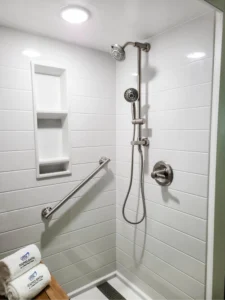
Popular bathroom remodeling choices in this market include walk-in showers with frameless glass enclosures, floating vanities that create visual space, and neutral color palettes accented with warm wood tones. Tub to shower conversions have become particularly common as aging homeowners seek accessibility improvements and younger buyers favor low-maintenance options that fit active lifestyles. The trend toward open, airy designs also addresses the challenge of smaller master bathrooms common in older construction, where strategic layout changes can dramatically improve functionality without expanding the room’s footprint.
Material selection in this region tends toward durability and moisture resistance. Porcelain and ceramic tiles remain popular for their longevity and ease of maintenance, while engineered quartz surfaces have largely replaced natural stone for vanity tops due to superior stain resistance. Bathroom vanities and sinks now frequently feature soft-close mechanisms, integrated lighting, and storage solutions designed to accommodate modern grooming products and electronics. These choices reflect not just aesthetic preferences but practical adaptations to the realities of daily use in a climate where moisture control remains a constant consideration.
Practical Considerations for Homeowners Planning Renovations
Successfully navigating a bathroom renovation in this area requires understanding both the opportunities and constraints specific to local housing stock. Many homes feature bathrooms with limited square footage, often ranging from 35 to 75 square feet for secondary baths and 80 to 120 square feet for primary suites. These spatial limitations demand thoughtful planning to achieve desired functionality without compromising comfort or resale value. Homeowners must balance current needs with potential future requirements, particularly regarding accessibility features that may become important as households age in place.
Timeline expectations for bathroom remodeling projects in the Vancouver area typically span three to six weeks for complete renovations, depending on scope and complexity. Projects involving structural modifications, plumbing relocations, or electrical upgrades naturally extend toward the longer end of this range. Seasonal considerations also influence scheduling, with spring and early fall representing ideal windows when weather conditions allow for proper ventilation during installation of moisture-sensitive materials and when potential weather-related delays pose minimal risk to exposed areas.
Budget planning must account for both visible upgrades and hidden infrastructure improvements. While homeowners naturally focus on selecting beautiful bathroom cabinets and countertops, whirlpool tub installation options, or custom tile work, prudent planning allocates resources for less glamorous but equally important elements like updated ventilation systems, proper waterproofing membranes, and code-compliant electrical circuits. This balanced approach ensures renovations deliver lasting value rather than creating attractive spaces with underlying deficiencies that surface within months of completion.
When considering service options for your project, look for providers familiar with the specific challenges of homes in this region, including common plumbing configurations, typical code requirements enforced by Clark County, and material selections proven to perform well in the local climate.
How Regional Service Providers Adapt to Clark County Home Characteristics
Bathroom remodeling services that understand regional nuances deliver outcomes that transcend generic renovation approaches. Familiarity with common structural configurations found in homes built during specific decades allows for more accurate project estimates and reduces the likelihood of unexpected complications that derail timelines and budgets. This knowledge extends to understanding which original building materials are likely present, how plumbing and electrical systems were typically routed, and which shortcuts previous builders may have taken that require correction during renovation.
Local building codes and permit requirements in Clark County present another area where regional knowledge proves invaluable. Bathroom renovation projects typically require permits for electrical work, plumbing modifications, and structural changes, with inspection schedules that must align with project phases. Providers experienced in navigating these administrative requirements ensure compliance without unnecessary delays, maintaining project momentum while meeting all regulatory standards. This expertise becomes particularly important when homeowners plan upgrades that affect load-bearing walls, alter drain configurations, or require new electrical circuits for heated floors or upgraded lighting systems.
Material sourcing and availability also benefit from local connections. Providers established in the Vancouver area maintain relationships with regional suppliers, enabling access to quality materials at favorable pricing and ensuring shorter lead times for specialty items. This becomes especially important when selecting custom elements like frameless glass shower enclosures, specialty tile patterns, or specific fixture finishes where availability can vary significantly. The ability to physically inspect material samples and verify quality before purchase provides assurance that photographs and online descriptions cannot match.
Working with a bathroom remodeling company familiar with this community means benefiting from insights gathered across dozens or hundreds of similar projects. This accumulated experience informs recommendations on layout optimization for common floor plans, identifies which design trends deliver genuine functional improvements versus those that look appealing but prove impractical, and anticipates potential challenges specific to local construction methods. Whether addressing moisture management in homes near forested areas, accommodating septic system constraints common in some parts of the county, or selecting finishes that withstand the wear patterns typical of active households, this contextual knowledge translates directly into better outcomes.
For homeowners ready to move forward with their bathroom transformation, connecting with a qualified bathroom remodeling service ensures your project benefits from both technical skill and regional insight. Taking time to discuss your specific goals, budget parameters, and timeline expectations establishes a foundation for successful collaboration. Visit our contact page to schedule a consultation and explore how your bathroom renovation vision can become reality with guidance from professionals who understand what works in this unique corner of the Pacific Northwest.
Taking the Next Step Toward Your Bathroom Transformation
Bathroom remodeling services that understand regional nuances deliver outcomes that transcend generic renovation approaches. Familiarity with common structural configurations found in homes built during specific decades allows for more accurate project planning and fewer surprises during demolition. Properties constructed in the 1970s and 1980s, for instance, often feature cast iron plumbing that requires specialized handling, while newer construction may incorporate PEX systems that offer greater flexibility during layout changes.
Climate conditions throughout the Pacific Northwest directly influence material selection and installation techniques. The region’s high humidity levels necessitate proper ventilation planning, making exhaust fan placement and capacity critical to preventing long-term moisture damage. Tile installations benefit from flexible thin-set mortars that accommodate seasonal temperature fluctuations, while grout selections prioritize mold resistance and durability in damp environments.
Local building codes and permitting requirements shape project timelines and scope definitions. Understanding these regulatory frameworks before beginning demolition prevents costly delays and ensures work meets inspection standards. Electrical updates often accompany bathroom renovations, particularly in older homes where circuits may not support modern GFCI requirements or the amperage demands of contemporary lighting and heated flooring systems.
Service providers familiar with regional supplier networks can source quality materials more efficiently, often identifying cost-effective alternatives without compromising aesthetic goals. Access to showrooms featuring products suited to Northwest design sensibilities streamlines selection processes, while relationships with local wholesalers facilitate faster turnaround times when unexpected material needs arise mid-project.